Horn Requirements for Road Use
Picture this: you've got your ATV or side-by-side all geared up, planning to connect your favorite trail systems by riding a section of county road, but a nagging question pops into your head – "Is my horn good enough for that?" The truth is, making your off-highway vehicle (OHV) truly street-legal in Idaho involves far more than just slapping on a restricted plate. One of the most fundamental, yet sometimes overlooked, components is a proper horn. It's not just about a friendly toot; it's a critical safety device and a specific legal requirement that ensures you, and everyone around you, stays safe on Idaho's shared roadways. This guide will dive deep into what Idaho law expects from your OHV's horn, how to choose and install one, and why this seemingly small detail is so big for your road-riding adventures.
Why a Horn Matters on Idaho Roads
When you’re out on the trails, a hand signal or a shout might be enough to communicate with your riding buddies. But the moment those knobby tires hit a paved or graveled county road, you're entering a different environment with different expectations. This isn't just about adhering to bureaucratic rules; it's about integrating your machine safely into a traffic flow that includes cars, trucks, cyclists, and pedestrians who aren't always expecting an OHV. A functioning, compliant horn becomes an indispensable tool for both your safety and the safety of others.
More Than Just a Friendly Honk
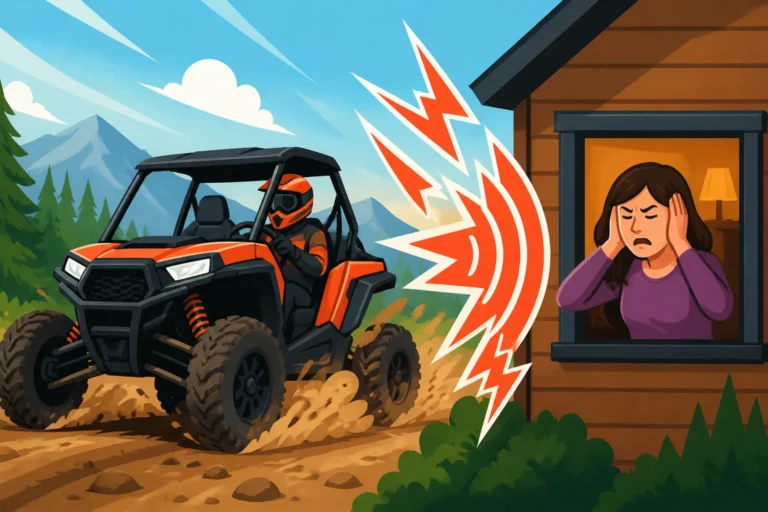
Think about situations where a horn isn't just a nicety, but a necessity. You might be approaching a blind curve on a winding canyon road, where an oncoming truck could be hugging the center line. A quick, clear blast of your horn can alert them to your presence before you're even in sight. Imagine a child chasing a ball into the street, or a deer darting out from a thicket – these are moments when a split-second warning can prevent a tragedy. Your horn acts as your voice in traffic, a universally understood signal that says, "Hey, I'm here!" or "Watch out!" It allows you to communicate instantly without taking your hands off the handlebars or wheel in an emergency. It's a fundamental part of defensive riding on public roads.
Beyond emergencies, there are plenty of less dramatic but equally important scenarios. You might need to gently alert a slow-moving vehicle ahead that you intend to pass, or signal to a pedestrian that you're about to make a turn. On noisy farm roads, where tractors and heavy machinery are common, a distinct horn sound can cut through ambient engine noise more effectively than a human voice. It's a simple device with a huge impact on your ability to navigate the complexities of shared roadways, making sure everyone knows where you are and what you're doing.
Legal Mandate, Not an Option
Here in Idaho, getting your OHV ready for road use isn't just about good practice; it’s about meeting specific legal benchmarks. The state's regulations are pretty clear: if you want to ride on designated county roads, your machine needs to be equipped like any other registered motor vehicle in several key ways, and a horn is right up there on the list. This isn't a suggestion; it's a mandatory requirement that deputies and rangers will be looking for during a traffic stop or checkpoint. Ignoring this detail isn't just an oversight; it could lead to citations and fines, spoiling your ride and emptying your wallet.
The intent behind this legal mandate is rooted in public safety. Idaho wants to ensure that all vehicles sharing its roads can communicate effectively, reducing the risk of accidents. An OHV with a restricted plate but no functional horn is incomplete in the eyes of the law, just like a car with broken headlights. It signifies that the machine isn't fully prepared for the demands of road traffic. Ensuring your horn is installed and working correctly is a fundamental step in demonstrating your commitment to safe and legal riding within the Gem State. When you pursue [What Idaho Requires Before You Ride a County Road], the horn is right there at the top.
What Idaho Law Says About OHV Horns
Navigating the specifics of Idaho's OHV laws can feel a bit like trying to read a treasure map without all the clues. When it comes to horns, the good news is that the requirement is fairly straightforward. However, "straightforward" doesn't mean "lax." There are definite expectations for what constitutes a legal horn on your road-ready ATV or UTV. Understanding these nuances can save you a headache later, whether you're dealing with a curious sheriff's deputy or, more importantly, trying to avoid a collision.
The Basic Requirement
Idaho law specifies that any motor vehicle, including an OHV operating on public roads, must be equipped with a horn in good working order, capable of emitting a sound audible under normal conditions from a distance of at least 200 feet. This "200 feet" rule is the key metric. It's not just about having a horn; it's about having one that's loud enough and clear enough to be heard well in advance by other road users, allowing them ample time to react. This means that little bicycle bell you taped to your handlebars won't cut it. Nor will a novelty horn that plays a jingle. The sound needs to be an unambiguous warning signal.
The horn must also be operated by the driver, meaning it should be easily accessible from the riding position. You shouldn't have to stretch awkwardly or take your eyes off the road to activate it. Most modern ATVs and UTVs come with a horn button built into the controls, but if you’re adding an aftermarket horn to an older machine or a custom build, placement is critical. Think about emergency situations: you need to be able to hit that button instinctively without fumbling. It's a functional requirement, not just a decorative one, integral to meeting the needs of [Driver's License and Insurance on an Idaho Road Ride].
What Kind of Horn Qualifies?
So, what kind of horn actually meets Idaho's criteria? Generally, an electric horn, similar to what you'd find on a motorcycle or even a compact car, is your best bet. These horns typically produce a single, continuous tone that is loud and clear. Air horns can also be compliant, often offering an even louder blast, which can be advantageous on noisy roads or in areas where you really need to command attention. The most important thing is that it consistently meets the 200-foot audibility standard.
What doesn't qualify? As mentioned, anything that's too quiet, like a bicycle bell or a squeeze horn, is out. Similarly, horns that produce multiple tones, excessively shrill or harsh sounds, or those designed purely for novelty (think animal sounds or musical ditties) are generally not permitted for use as the primary warning device on public roads. The law aims for clarity and consistency in warning signals, not entertainment. When looking for a reliable, compliant horn, many riders turn to reputable aftermarket suppliers. Companies like SuperATV offer a range of universal horn kits that are designed with durability and compliance in mind, making it easier to select a product that will meet Idaho's standards for your specific machine. They understand the demands of off-road vehicles transitioning to street use and design their products accordingly.
Comparing Road-Legal Components
Understanding the horn requirement is easier when you see it in context with other mandatory road-legal components. Each piece plays a specific role in ensuring safety and compliance on Idaho's roads.
| Component | Primary Function | Idaho Requirement | Example Application |
|---|---|---|---|
| Horn | Audible Warning Signal | Audible from 200 feet, clearly discernable | Alerting oncoming traffic on blind curves |
| Headlights | Illumination | White, visible from 500 feet, high/low beam | Night riding, reduced visibility |
| Taillights | Rear Visibility, Brake Indication | Red, visible from 500 feet, brake lights illuminate | Being seen from behind, signaling stops |
| Turn Signals | Directional Indication | Front (amber/white), Rear (amber/red), flashing | Indicating lane changes or turns on roads |
| Mirrors | Rearward View | At least one, mounted to provide clear rear view | Checking traffic before changing lanes |
| Restricted Plate | Legal Identification | Issued by state, displayed on rear | Identifying vehicle as road-legal OHV |
This table helps illustrate that the horn is just one part of a larger system designed to make your OHV a predictable and safe presence on public roadways. Each component, from your headlights for visibility to [Turn Signals on an Idaho Restricted Vehicle] for communication, works together to achieve compliance and enhance safety.
Getting Your OHV Road-Ready with a Horn
So, you've decided to make your OHV street-legal, and you understand that a horn isn't just a suggestion, but a necessity. Now comes the practical part: choosing the right horn and getting it properly installed. This isn't rocket science, but taking a little extra care here can save you a lot of frustration down the road and ensure you meet those crucial Idaho legal requirements. It's all about making smart choices and paying attention to detail.
Choosing the Right Horn for Your Machine
The market offers a variety of aftermarket horn kits, ranging from simple standalone units to comprehensive street-legal kits that include lights, mirrors, and turn signals. When selecting just a horn, consider a few key factors:
- Volume and Tone: Remember the 200-foot rule. You want a horn that's loud and has a clear, unambiguous tone. Avoid anything that sounds toy-like or could be confused with another vehicle's alarm.
- Durability and Weather Resistance: Your OHV lives a tough life, exposed to dust, mud, water, and vibrations. Choose a horn that's built to withstand these elements. Look for marine-grade or off-road specific designs that are sealed against moisture and corrosion.
- Power Draw: Most electric horns draw a relatively small amount of power, but it's still worth checking, especially if you have an older machine or a lot of other electrical accessories. Ensure your OHV's charging system can handle the additional load without strain.
- Ease of Installation: Some horns are simpler to install than others. Universal kits often come with wiring harnesses and mounting brackets designed to be adaptable. If you're not comfortable with electrical work, consider a horn that's known for straightforward installation or budget for professional help.
Many riders find that horn kits specifically designed for UTVs and ATVs offer the best balance of features and ease of installation. Brands like SuperATV offer horn kits that are designed to integrate well with common OHV models, providing clear instructions and all the necessary hardware for a secure, weather-resistant setup. When you’re trying to check off all the boxes for [What Idaho Requires Before You Ride a County Road], getting the right components from a trusted supplier is a smart move.
Installation Tips and Common Pitfalls
Installing a horn on your ATV or UTV is usually a manageable DIY project, but a few tips can make it smoother:
- Mounting Location: Find a secure spot, typically on the frame or a sturdy cross member, where the horn is protected from direct impacts but still has a clear path for its sound to travel. Avoid mounting it directly behind body panels if it muffles the sound. Also, consider accessibility for wiring.
- Wiring: Most horn kits require a simple two-wire connection: one to a power source (often triggered by a relay to your battery) and one to a ground. It's best practice to use an inline fuse on the power wire to protect your electrical system. Ensure all connections are secure and, ideally, waterproofed to prevent corrosion. Pay attention to gauge requirements; don't use wires that are too thin.
- Button Placement: If your machine doesn't have a dedicated horn button, you'll need to install a switch. Choose a momentary switch (one that activates when pressed and deactivates when released) and mount it somewhere easily accessible from your normal riding position, like on the handlebars or dashboard.
- Testing: Once installed, test your horn thoroughly. Don't just give it a quick beep; test it several times to ensure consistent operation. Also, practice hitting the button quickly and instinctively to build muscle memory for emergency situations.
A common pitfall is improper grounding, which can lead to a weak or non-functional horn. Another is using poor quality connectors that corrode over time, causing intermittent failure. Always use dielectric grease on electrical connections to protect against moisture.
Testing Your Horn for Compliance
The final, and arguably most important, step after installation is to ensure your new horn truly meets Idaho's "audible from 200 feet" requirement. This isn't something you can just eyeball; you need to actually test it.
Grab a friend and a tape measure. Find an open, quiet area away from heavy traffic or loud machinery. Have your friend stand 200 feet away from your OHV. Then, sound your horn. Can they clearly and unambiguously hear it? Have them walk another 50-100 feet back and test again. You want to make sure it's not just barely audible at 200 feet, but clear and distinct. Consider factors like wind direction and ambient noise, as these can affect how far sound travels. If your horn sounds weak or muffled, double-check your installation, wiring, and mounting. Sometimes, a slight adjustment to the horn's angle can improve its projection. If it consistently fails to meet the audibility standard, you might need to consider a more powerful horn. After all, the point isn't just to pass an inspection; it's to have a reliable safety device when you're out on the roads, navigating situations that might require you to quickly alert others.
Beyond the Horn: Other Road-Legal Essentials
While we've focused heavily on the horn, it's really just one piece of the much larger puzzle of making your ATV or UTV truly road-legal in Idaho. Thinking comprehensively about your machine's compliance will save you from potential headaches, fines, and—most importantly—dangerous situations on shared roadways. You can't just fix one thing and call it good; it's about building a fully compliant, safe-to-operate machine.
The Complete Picture of Road Readiness
Beyond that essential horn, Idaho law has a list of other critical components your OHV must possess to legally cruise on county roads. This includes proper lighting: bright headlights for visibility, functional taillights and brake lights so others know where you are and when you're stopping, and [Turn Signals on an Idaho Restricted Vehicle] to clearly communicate your intentions. You'll also need at least one rear-view mirror—and most riders find two to be much safer—to keep an eye on traffic behind you. Think about mounting [Mirrors on a Road-Legal Side-by-Side] that are durable enough for trail use but provide a clear view for road riding.
Of course, all these physical components are in addition to the necessary paperwork, like having a valid [Idaho's Restricted Vehicle Plate Explained] displayed, and ensuring you have the proper driver's license and, in some cases, liability insurance. For younger riders, there are also specific [Idaho Helmet Rules for Riders Under 18] that must be followed. It's a holistic approach, where every piece contributes to your overall safety and legal standing. It can feel like a lot to keep track of, but each requirement is there for a reason, aiming to make OHV use on public roads as safe as possible for everyone. For a full rundown, check out [Four Things Idaho Riders Must Carry on a Road].
Why a Comprehensive Approach is Best
Trying to cut corners on any of these requirements is a risky gamble. Running without a proper horn, or without functional turn signals, or with a missing mirror isn't just an invitation for a citation; it significantly elevates your risk of an accident. On an unfamiliar stretch of pavement, where cars are moving at faster speeds and don't expect an OHV, every safety feature becomes amplified in its importance. The consequences of an incident, especially if you're found to be non-compliant, can be severe, ranging from hefty fines to invalidated insurance claims and even legal liability. You also want to avoid being among the [Idaho Road Rules Riders Get Wrong].
Taking a comprehensive approach from the outset ensures you're ready for any situation. It means investing in quality components from reputable sources, like the horn kits you can find from SuperATV, and taking the time to install them correctly. It means understanding the nuances of Idaho's OHV laws and making sure your machine—and your riding practices—align with them. This isn't about jumping through hoops; it's about being a responsible, prepared, and safe rider who respects the shared space of Idaho's beautiful roads. Ultimately, a fully street-legal machine means more freedom to explore, connecting those remote trails and enjoying everything the Gem State has to offer, all with the peace of mind that you're riding safely and legally.
Disclaimer
This article is for general informational purposes only and does not constitute professional advice. Laws, prices and regulations vary by location and change over time. Consult a qualified professional for guidance on your specific situation.