Idaho Trespass Law for Riders
There's a specific kind of dread that washes over you when you're out exploring Idaho's beautiful backcountry on your ATV or UTV, enjoying the freedom of the open trail, and then suddenly you see a "No Trespassing" sign, or worse, realize you've been riding on someone's private land without permission. It's a truly awful feeling, knowing you might be breaking the law or disrespecting a landowner, and the confusion about where public land ends and private property begins can be incredibly frustrating. This guide is dedicated to untangling Idaho's trespass laws for off-highway vehicle (OHV) riders, giving you the knowledge to ride confidently and responsibly.
Understanding Private Property and Public Land Boundaries in Idaho
Idaho boasts an incredible amount of public land managed by agencies like the U.S. Forest Service (USFS), Bureau of Land Management (BLM), and Idaho Department of Lands (IDL). This vast network offers endless opportunities for OHV enthusiasts. However, interspersed within and alongside these public lands are countless parcels of private property, ranging from small cabins to sprawling ranches, active timber operations, and agricultural fields. The challenge for riders is accurately identifying these boundaries, which aren't always marked with clear fences or signs.
The fundamental principle of Idaho trespass law, particularly concerning OHVs, is that you are presumed not to have permission to be on private land unless you have explicit consent from the landowner. This isn't just a polite suggestion; it's the law. Many riders assume that if land isn't fenced or prominently posted with "No Trespassing" signs, it's fair game. This is a dangerous and incorrect assumption that can lead to significant legal trouble. [Riding Posted Ground in Idaho] means respecting those signs, but even unposted land is private.
Public lands, while generally open for recreation, also have specific rules and designated routes. Just because it's public doesn't mean you can ride anywhere. There are wilderness areas, environmentally sensitive zones, or areas undergoing logging or restoration that are strictly off-limits to motorized vehicles. Ignoring these restrictions, even on public land, can constitute a form of trespass or violation of land use rules. Knowing [Idaho Trespass Rules Along Forest Roads] is critical, as many roads you might encounter are not open to OHVs, or may be private timber roads. Always consult up-to-date motor vehicle use maps (MVUMs) from the managing agency before you ride.
The lines between public and private can be especially blurry in Idaho's checkerboard landscape, particularly in areas with a mix of national forests, BLM land, and private timber holdings. Sometimes, a well-used trail might pass through a private parcel, either by an easement or historical use, but this doesn't grant you blanket permission for all adjacent private land. Understanding where you are, and whose land it is, is the first and most crucial step in preventing accidental trespass. Remember that [Do You Need a Sticker on Private Land in Idaho?] can depend on whether the private land has designated trails that fall under state programs, but generally, the sticker is for public land use.
Common Trespass Scenarios Riders Face in Idaho
Even with the best intentions, riders can find themselves in situations where they inadvertently or knowingly trespass. These scenarios often stem from a lack of clear information, navigational errors, or sometimes, simply poor judgment.
One of the most frequent types of trespass involves accidental boundary crossings. You're following a faint two-track that seems to lead to a scenic overlook, only to find yourself on someone's driveway or in a private pasture. Maps, especially older ones, might not accurately reflect current land ownership, or physical boundaries like fences might be down or obscured by vegetation. A wrong turn can quickly take you off a public trail and onto private property, especially if you're not constantly checking a GPS or a detailed map. This is where relying on good navigation tools and perhaps even robust aftermarket GPS systems from companies like SuperATV can make a real difference in staying on the right side of the law.
Another common issue arises on private timber and agricultural lands. Idaho has extensive private timber holdings, and while some companies might allow limited recreational access on specific, marked roads, many areas are strictly off-limits due to active logging, fire danger, or liability concerns. [Idaho Rules on Private Timber Roads] are often very strict. Similarly, agricultural fields, even if unplanted or appearing fallow, are private property. Cutting across a field to save time or explore can lead to serious consequences, not to mention potential damage to crops or irrigation systems. You might think you're just taking a shortcut, but to the landowner, you're invading their livelihood. Even riding on seemingly abandoned old ranch roads can be trespass if the property hasn't changed hands to a public entity. For example, [Riding a Family Ranch Without a Sticker] is generally fine if you have permission from the owner, but riding across a neighbor's ranch without permission is still trespass, sticker or no sticker.
Canal banks and utility easements also present a gray area for many riders. While canals and power lines often traverse private property, the land immediately adjacent to these features might be under an easement. However, an easement for maintenance doesn't automatically grant public access for recreation. Riding on canal banks can be particularly dangerous due to steep drops and soft soil, and it's almost always considered trespass unless explicitly allowed by the irrigation district or private landowner.
Finally, there's the unfortunate scenario of intentional trespass. This occurs when a rider knowingly ignores "No Trespassing" signs, cuts through a fence, or continues to ride on land they know is private, perhaps seeking a thrill, a new challenge, or simply trying to avoid a longer legal route. This kind of blatant disregard for property rights not only harms the landowner but also gives a bad name to the entire OHV community, potentially leading to more closures and stricter regulations for everyone. When considering upgrades for your machine, think about how quality accessories from a brand like SuperATV can help you better explore legal trails, rather than tempting you to stray.
Consequences of Trespassing with an OHV in Idaho
The repercussions of trespassing with an OHV in Idaho can range from a stern warning to severe legal and financial penalties. It's not just a minor infraction; it can significantly impact your wallet, your driving privileges, and even your freedom.
Legal Ramifications:
In Idaho, criminal trespass is typically a misdemeanor. If you are caught trespassing, especially if the land is posted, fenced, or you have been previously warned, you could face fines, which can range from a few hundred dollars to more, depending on the severity and whether it's a repeat offense. Beyond monetary fines, a conviction can result in jail time, though this is less common for a first-time, non-damaging trespass. However, if the trespass involves damaging property, disturbing livestock, or committing another crime, the charges can escalate dramatically. [Fines for an Unstickered OHV in Idaho] are separate from trespass penalties but can add to the financial burden if you're also riding illegally in other ways.
Civil Liability:
Beyond criminal charges, landowners can pursue civil action against trespassers. This means they can sue you for damages. If your OHV causes any damage to their property – whether it's tearing up a field, damaging a fence, disturbing sensitive wildlife habitat, or even just leaving ruts – you could be held financially responsible for the repairs. This could easily amount to thousands of dollars. Furthermore, if you are injured while trespassing on private property, the landowner generally owes you a very limited duty of care. This means you might not have legal recourse for your injuries, and in some cases, you could still be liable for any costs incurred by the landowner due to your presence.
Vehicle Impoundment and Loss of Riding Privileges:
In some instances, law enforcement officers have the authority to impound your OHV if you are caught trespassing, particularly if it's a serious or repeated offense. Reclaiming an impounded machine involves impound fees, storage costs, and potentially the need to pay fines before release. This can be an incredibly expensive and frustrating ordeal. Repeated trespass violations or convictions for resource damage, like [Penalties for Riding Off the Trail] on public land, could also lead to a suspension of your OHV riding privileges or even your driver's license. [What an Idaho Deputy Asks a Rider For] during a stop will certainly include proof of ownership and current registration, and if you're on private land, they'll want to know if you have permission.
Impact on the OHV Community:
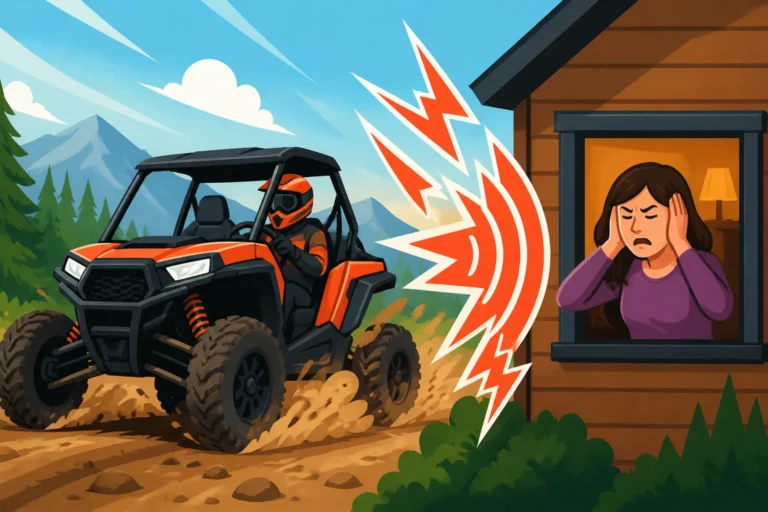
Every instance of trespass, especially those that result in property damage or confrontation, creates animosity between landowners and OHV riders. This often leads to landowners putting up more signs, installing gates, or even actively campaigning for stricter OHV regulations and permanent trail closures. One irresponsible rider can inadvertently cause public access to be denied for countless others, limiting future recreational opportunities for the entire community. It creates a perception that all OHV riders are disrespectful, making it harder for responsible riders to gain support for trail maintenance and expansion.
| Violation Type | Potential Criminal Penalty | Potential Civil Liability | Community Impact |
|---|---|---|---|
| Simple Trespass (unposted) | Misdemeanor, fines | Minor property damage claims | Increased landowner distrust, potential future posting |
| Trespass (posted/fenced) | Misdemeanor, higher fines, possible jail | All damages, legal fees | Strong negative perception of OHV riders, closures |
| Trespass with Property Damage | Misdemeanor/Felony (depending on damage), impoundment, restitution | Full cost of repair/replacement, lost income, punitive damages | Significant backlash, stricter laws, blanket bans |
| Trespass on Closed Public Land | Fines, resource damage penalties | Environmental restoration costs | Loss of public access for all riders, negative press |
Tips for Avoiding Accidental Trespass and Riding Responsibly
Preventing trespass isn't just about avoiding legal trouble; it's about being a respectful and responsible member of the Idaho OHV community. A little planning and caution can go a long way in ensuring your rides are enjoyable and worry-free.
1. Do Your Homework Before You Go:
This is perhaps the most critical step. Before heading out, especially to a new area, thoroughly research the land ownership and designated trails.
- Motor Vehicle Use Maps (MVUMs): For national forests and BLM lands, these maps are your bible. They show exactly which roads and trails are open to motorized vehicles, vehicle width restrictions, and seasonal closures. Always download or print the most current version.
- County Assessor/GIS Maps: Many Idaho counties offer online Geographic Information System (GIS) maps that show property lines and ownership. These can be incredibly helpful for identifying private parcels.
- Mapping Apps: Tools like onX Offroad or similar GPS apps provide detailed land ownership overlays. While these are excellent, always cross-reference with official MVUMs for public land use rules. A good GPS mount for your phone or tablet from SuperATV can ensure your navigation is always within view.
- Local Knowledge: Talk to locals, ranger district offices, or reputable OHV clubs. They often have invaluable insights into specific trails, local ordinances, and common trespass hotspots.
2. Always Carry Navigation Tools:
Even if you think you know an area, things can change. Roads get washed out, signs get vandalized, and the landscape can look different in varying seasons.
- GPS Device/Smartphone: A dedicated GPS or a smartphone with pre-loaded maps and sufficient battery life is essential. Make sure to download maps for offline use, as cell service is spotty in many Idaho backcountry areas.
- Paper Maps: Don't underestimate the reliability of a good old-fashioned paper map, especially as a backup.
- Trail Markers: Pay close attention to official trail markers, signs indicating property lines, and anything that might denote a change in land status.
3. Respect All Signage and Fencing:
This seems obvious, but it's where many go wrong.
- "No Trespassing" Signs: These are non-negotiable. If you see one, turn around.
- Fences and Gates: A fence or gate, even if it appears old or dilapidated, is a clear indication of private property. Never open a closed gate unless you have explicit permission, and always re-close it securely. Never cut a fence, under any circumstances.
- Public Land Closure Signs: Just like private land, public areas can have temporary or seasonal closures due to fire danger, wildlife migrations, logging operations, or trail damage. [Idaho Trails Closed to Motorized Use] must be respected. Always check for current conditions and closures before you head out; [Checking Idaho Trail Status Before You Drive] is a must.
4. Seek Permission When Necessary:
If you need to cross private land to access public trails, or if you simply want to ride on someone's property, get permission in writing. A verbal agreement can be misunderstood or forgotten. Obtain contact information for the landowner and make sure you understand any specific conditions or limitations they impose. This is particularly relevant for [Idaho Permit Rules on Leased Hunting Ground] where you might have permission to hunt but not necessarily to ride OHVs throughout the property.
5. Stay on Designated Trails:
On both public and permitted private lands, stick to the marked trails. Riding off-trail causes environmental damage, contributes to erosion, disturbs wildlife, and can lead to expanded trespass onto adjacent private parcels. Remember, just because an area looks like a trail doesn't mean it's an authorized route. A quality set of protective skid plates from SuperATV can help protect your machine on designated trails, but they won't protect you from trespass fines!
6. Report Suspicious Activity:
If you witness someone trespassing, vandalizing property, or riding illegally, [Reporting an OHV Trespass] to the appropriate authorities (local sheriff, Forest Service, BLM, or Idaho Department of Parks and Recreation) helps protect both landowners and the reputation of the OHV community.
By taking these proactive steps, you can ensure your Idaho OHV adventures are not only thrilling but also legally sound and respectful of the diverse land ownership that makes our state so special.
Disclaimer
This article is for general informational purposes only and does not constitute professional advice. Laws, prices and regulations vary by location and change over time. Consult a qualified professional for guidance on your specific situation.