Getting a Duplicate Safety Certificate
A lost Idaho OHV safety certificate can be a problem when a young rider is preparing for a trail day or an officer asks for proof of course completion. In many cases, the first step is to retrieve the existing record rather than take the course again. Here’s how to track it down, what information to gather and what to confirm before riding.
What a duplicate safety certificate proves
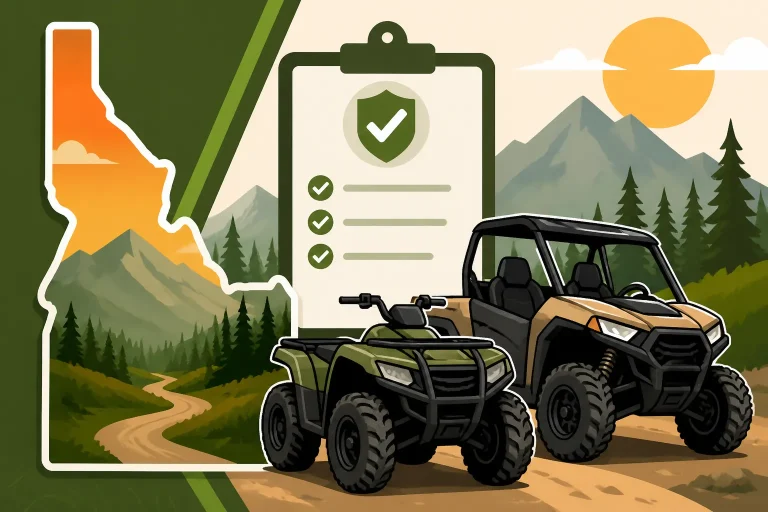
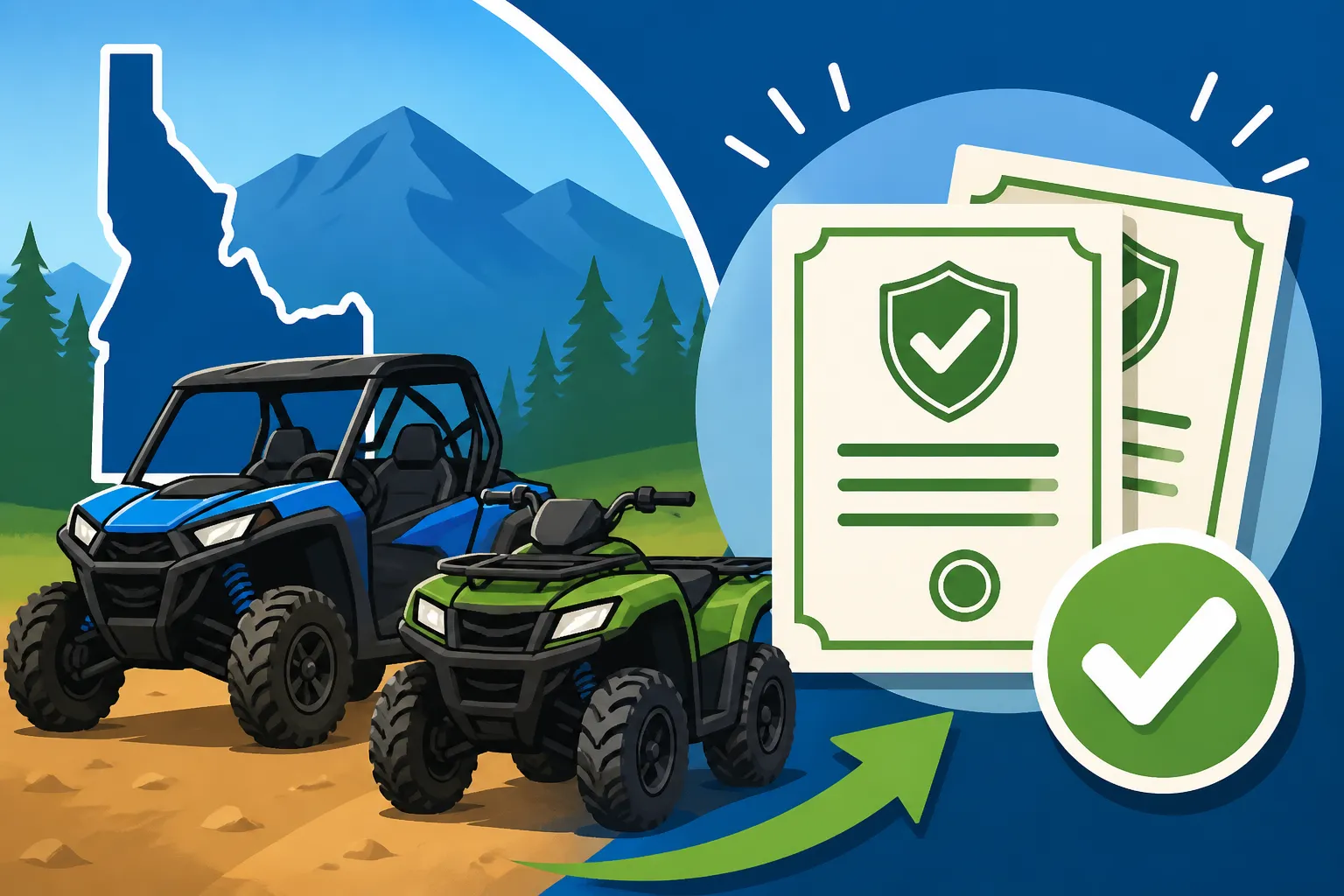
An Idaho OHV safety certificate is evidence that a rider completed an approved safety course. It is not an OHV registration, an Idaho sticker, a restricted vehicle plate or a driver’s license. Replacing the certificate does not replace any of those separate requirements.
The course and certificate rules apply to certain riders and riding situations. The details can depend on the rider’s age and where the machine will be used, so do not assume that holding a certificate settles every requirement for a particular trip. Start with Who Must Take the Idaho Safety Course and check the current Idaho Parks and Recreation guidance for the rider and location involved.
A duplicate generally means a replacement copy or record of a course the rider already completed. It does not mean the rider has taken a second course, and it should not be treated as permission to ride where other rules prohibit it. If the record cannot be found, ask the course provider or Idaho Parks and Recreation what options are available before registering for another class.
| What you need | What the certificate does | What it does not replace |
|---|---|---|
| Proof that a rider completed an approved OHV safety course | Helps document course completion when the rider is subject to the requirement | An OHV sticker or registration |
| A replacement for a misplaced paper certificate | May let the rider show the same course completion record again | A restricted vehicle plate or permission to ride a closed route |
| Course evidence for a young rider | Supports compliance with applicable safety-course rules | Any separate age, supervision, helmet or road-use requirements |
If you are sorting out several items before a ride, keep the certificate question separate from the machine’s paperwork. What Idaho Riders Need Before They Ride covers the broader set of requirements, while Carrying the Certificate in the Machine focuses on having proof available during a ride.
How to request a replacement
The right starting point depends on how the rider took the course. The course provider may be able to retrieve a digital certificate or completion record, while Idaho Parks and Recreation may be able to direct you to the correct record system or explain what to do if the provider cannot find it. Use the current contact details and instructions published by the relevant provider or agency.
Try these steps in order:
- Check the original course account. If the rider completed an online course, sign in to the account used at the time. Look for a completed-course record, certificate download or option to resend the certificate. Search the account email as well; the certificate or completion notice may have been sent electronically.
- Search email and saved files. Check the inbox, spam folder and any family or school email account that may have been used. Search for terms such as “OHV,” “safety course,” “certificate” and the course provider’s name. Also check downloads, cloud storage and printed records kept with the machine’s paperwork.
- Contact the course provider. If the account does not show the certificate, ask the provider to look up the course record and explain how it issues a replacement. If the course was taken in person, contact the organization that delivered it, if you can identify it.
- Contact Idaho Parks and Recreation if needed. If you cannot identify the provider, the provider has no record, or you are unsure whether the course was approved, ask Idaho Parks and Recreation for direction. Its current OHV course information can help you confirm the appropriate next step.
- Check the replacement before the next ride. Make sure the record belongs to the right rider and that the name and course completion details are readable. Save a digital copy and, if practical, keep a paper copy with the rider’s other documents.
Have useful details ready when you contact anyone. These may include the rider’s full name at the time of the course, current name if it has changed, approximate course date, email address used to register, course format and any confirmation number or receipt. For a minor, a parent or guardian may need to help with the request or account.
If the rider’s name has changed, mention that at the beginning of the request. A record may be filed under the name used when the course was completed, and a mismatch can make an otherwise valid certificate harder to locate. Do not create a new account with different information until you have checked whether the original account can be recovered.
A replacement process may look different depending on the course provider and when the class was taken. Confirm whether the provider can issue a new copy, restore online access or provide another form of completion verification. Do not assume a screenshot, payment receipt or parent’s statement will be accepted as proof; ask what documentation is recognized.
If the course record cannot be found
A missing certificate does not automatically mean the rider must repeat the course. First, establish whether the rider completed an approved course and whether a record exists under another email, spelling or name. If the rider took the course through a school, club or in-person event, ask the organizer where its completion records were sent or stored.
If no record can be verified, ask Idaho Parks and Recreation or the course provider what steps are available. Depending on the circumstances, the rider may need to provide additional information, complete a current approved course or follow another process. Get that direction from the organization responsible for the record rather than relying on an old printout or informal advice.
Do not treat a certificate from another state as automatically interchangeable. Idaho’s current rules may specify which out-of-state courses or certificates it accepts. If the rider completed training elsewhere, check Out-of-State Certificates Idaho Accepts before deciding whether a duplicate from the original provider is enough.
Likewise, a certificate’s age does not by itself establish whether it remains acceptable. Check Does a Safety Certificate Expire? for the question of ongoing validity, and confirm with the current Idaho guidance if the certificate is old, damaged or difficult to read. If the rider is subject to a course requirement, having a clear, verifiable record is more useful than assuming a worn document will be understood.
If a ride is coming up soon, avoid leaving the request until the day of departure. A provider may need time to search older records or verify the rider’s identity. If you cannot get confirmation in time, ask the appropriate provider or agency whether the rider should wait to ride or whether another form of proof is acceptable. Do not assume that a pending request counts as a certificate.
Keep proof accessible and check the rest of the rules
Once you have the replacement, keep a copy where it can be found without exposing unnecessary personal information. A parent or guardian can store a copy with the rider’s important documents, and the rider can carry an accepted copy when required. If relying on a phone, consider that service or battery power may not be available on a remote trail. A printed copy can be a useful backup.
Before heading out, confirm whether the certificate must be carried for that rider and type of trip. Idaho’s requirements can differ by age and riding setting, and a safety certificate does not remove supervision requirements that may apply. Review Adult Supervision Requirements in Idaho and The 300-Foot Supervision Distance if a young rider will be operating an OHV.
A certificate also does not make an otherwise restricted route legal. Public land, forest roads, county roads and private property can have different access rules. Check the route’s current rules, and make sure the machine has any required sticker or registration. For more on the course itself, including the online option, see Taking the Safety Course Online.
Before leaving, make sure the rider and machine are ready on separate fronts:
- The rider has the required course proof, if applicable.
- Any age or supervision conditions have been checked.
- The machine has the required sticker or registration for the planned use.
- The route is open to the machine and rider.
- Any separate road-use equipment or documentation requirements have been checked.
A duplicate certificate solves one narrow problem: replacing evidence of course completion. Confirming the course record, carrying acceptable proof and checking the other riding rules help prevent that paperwork issue from turning into a larger problem on the trail.
Disclaimer
This article is for general informational purposes only and does not constitute professional advice. Laws, prices and regulations vary by location and change over time. Consult a qualified professional for guidance on your specific situation.